This podcast is the remedy to comparison and feeling like everyone has life figured out but you. I sit with experts, entrepreneurs and fellow creatives to explore the process of living a live we love. Including, the stumbles and mistakes that happen along the way.
If you’re grieving a version of your life that never happened, you’re not alone. Sometimes the hardest thing to let go of isn’t a relationship, a job, or an opportunity. It’s the story you told yourself about how life was supposed to unfold. In this episode of Don’t Cut Your Own Bangs, I sat down […]
If you’re grieving a version of your life that never happened, you’re not alone.
Sometimes the hardest thing to let go of isn’t a relationship, a job, or an opportunity.
It’s the story you told yourself about how life was supposed to unfold.
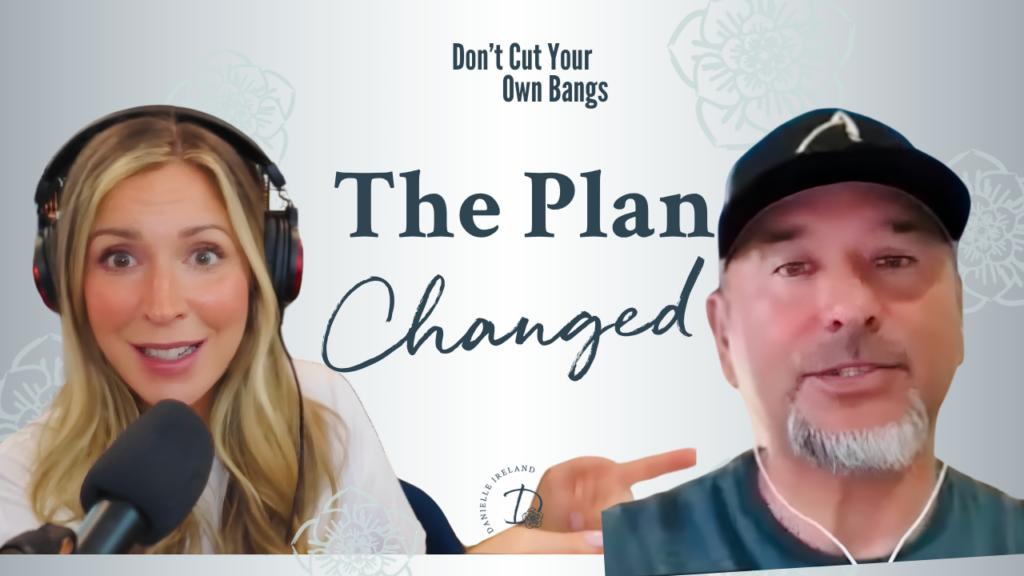
In this episode of Don’t Cut Your Own Bangs, I sat down with adventurer, photographer, diver, and storyteller Eli Martinez to talk about disappointment, identity, curiosity, and why some of life’s greatest gifts arrive disguised as plans that didn’t work out.
And one idea stayed with me long after the conversation ended:
He followed curiosity faster than he followed disappointment.
I think a lot of us need that reminder.
Grief and anger aren’t always signs something is wrong. Sometimes they’re signs you’re letting go of a plan that no longer fits and making room for something better.
What If the Thing You’re Grieving Is Making Room for Something Better?
“I thought my life would look different by now.”
Maybe you’ve never said those exact words.
But maybe you’ve thought:
“I should be further along.”
“I thought I’d love my job more.”
“I thought I’d be happier.”
“I thought once I got here, things would finally feel easier.”
And underneath those thoughts is something many people never recognize for what it is:
Grief.
Not because you’ve necessarily lost something tangible.
But because you’re mourning a future you expected to have.
A timeline.
A dream.
A version of yourself.
The life you imagined.
Nobody talks enough about that kind of grief.
The grief of expectations.
The grief of plans.
The grief of becoming someone different than you thought you would be.
What Are Grief and Anger Really About?
When most people think about grief and anger, they think about obvious losses.
Death.
Divorce.
Illness.
Heartbreak.
And yes, grief absolutely lives there.
But grief also shows up whenever reality doesn’t match expectation.
And anger?
Anger often appears when we’re standing in the gap between what we hoped would happen and what actually happened.
Sometimes anger isn’t about what happened.
Sometimes it’s about what didn’t.
The promotion.
The relationship.
The opportunity.
The version of yourself you thought you’d become by now.
Anger can be a signal that something mattered.
Grief can be evidence that you cared.
Neither means you’re doing something wrong.
“Something’s Wrong” Is Where Emotional Awareness Begins
One of my favorite moments from this conversation came when we started talking about that feeling so many people try to outrun.
That feeling of:
“Something’s wrong.”
Most of us immediately try to fix it.
Distract ourselves from it.
Talk ourselves out of it.
Stay busy enough not to hear it.
But what if that feeling isn’t the problem?
What if it’s information?
Sometimes “something’s wrong” means:
You’re burned out.
You’re grieving.
You’re disconnected from yourself.
You’ve outgrown something.
You’re living a life that no longer fits who you’re becoming.
The hardest part isn’t feeling uncomfortable.
The hardest part is trusting yourself enough to get curious about why.
Because emotional awareness rarely starts with clarity.
It usually starts with discomfort.
Why Letting Go Feels So Hard
Because letting go isn’t usually about releasing the thing.
It’s about releasing the identity attached to it.
You can spend years building your life around a plan.
A career.
A relationship.
A dream.
A version of success.
And when that plan changes, it doesn’t just create disappointment.
It creates uncertainty.
Who am I now?
What happens next?
What if I don’t know where I’m going?
That’s why people often stay attached to plans long after they’ve stopped working.
Not because the plan still fits.
But because the plan feels familiar.
And familiarity often feels safer than possibility.
The Story Eli Could Have Stayed Stuck In
What struck me most about Eli’s story wasn’t that things didn’t go according to plan.
It’s that he could have spent years living inside that disappointment.
Most of us would understand that.
Many of us have.
We’ve all had moments where we become experts in what didn’t happen.
The opportunity we missed.
The relationship that ended.
The path that closed.
But Eli chose something different.
He followed curiosity.
Not because he wasn’t disappointed.
Not because it didn’t hurt.
But because curiosity created movement.
And movement created possibility.
His life became larger not when everything worked out according to plan.
But when the plan stopped being the point.
The Myth: Letting Go Means Giving Up
One of the biggest misconceptions about grief is that acceptance means approval.
It doesn’t.
Letting go doesn’t mean you wanted things to happen this way.
It doesn’t mean the loss didn’t matter.
And it certainly doesn’t mean you stop caring.
It simply means you’re willing to stop arguing with reality long enough to see what else might be possible.
You can love the dream and still release it.
You can grieve the plan and still move forward.
You can miss what you thought would happen and still feel excited about what comes next.
Those things can exist together.
What If You Didn’t Miss Your Chance?
One of the things I kept coming back to after this conversation with Eli was how easy it is to mistake a closed door for a dead end.
Most of us are much better at tracking what didn’t happen than noticing what became possible because it didn’t.
We keep score of the opportunities we missed.
The timelines that changed.
The plans that fell apart.
The version of ourselves we thought we’d become.
But what if the thing you’re grieving isn’t actually the opportunity?
What if it’s simply the story you told yourself about how life was supposed to unfold?
Because Eli’s life didn’t get better when everything worked out according to plan.
His life got bigger when the plan stopped being the point.
He followed curiosity faster than he followed disappointment.
And little by little, curiosity led him somewhere the original plan never could.
I think a lot of us are standing in that exact place right now.
Not behind.
Not too late.
Not lost.
Just at the uncomfortable point where the old map no longer works and the new one hasn’t appeared yet.
And maybe that’s why this conversation stayed with me.
Because sometimes the best thing that never happened to you isn’t something you’ll understand right away.
Sometimes you only recognize it later.
After you’ve grieved.
After you’ve gotten curious.
After you’ve stopped trying to force the old story to work.
Sometimes what feels like a loss is actually an invitation.
And sometimes the life you’re meant to build begins the moment you stop trying to rebuild the one you thought you were supposed to have.
Frequently Asked Questions
Can grief show up even if nothing terrible happened?
Absolutely. Grief often appears when expectations, identities, dreams, or plans change. You don’t need a major tragedy to experience real grief.
Why do I feel angry when life doesn’t go according to plan?
Anger is often a response to loss, disappointment, or unmet expectations. It can be a signal that something mattered deeply to you.
How do I know if it’s time to let go of a goal?
If pursuing it consistently leaves you disconnected from yourself, it may be worth asking whether you’re serving the goal—or the story attached to it.
Can I be grateful and disappointed at the same time?
Yes. You can love your life and still grieve parts of it. You can appreciate what is and still mourn what isn’t.
Key Takeaways
Grief and anger often show up when reality doesn’t match expectation.
“Something’s wrong” is often where emotional awareness begins.
Letting go of the plan doesn’t mean giving up on yourself.
Following curiosity can create opportunities disappointment never could.
Sometimes the best thing that never happened to you is making room for something better.
👉 If this episode resonates, share it with a friend who might also need this reminder. And don’t forget to subscribe so new episodes find you—no chasing required.
RATE, REVIEW, SUBSCRIBE TO “DON’T CUT YOUR OWN BANGS”
Like your favorite recipe or song, the best things in life are shared. When you rate, review, and subscribe to this podcast, your engagement helps me connect with other listeners just like you. Plus, subscriptions just make life easier for everybody. It’s one less thing for you to think about and you can easily keep up to date on everything that’s new. So, please rate, review, and subscribe today.
DANIELLE IRELAND, LCSW
I greatly appreciate your support and engagement as part of the Don’t Cut Your Own Bangs community. Feel free to reach out with questions, comments, or anything you’d like to share. You can connect with me at any of the links below.
Join my email list to get access to tools + resources to help improve your mental health. Plus, be the first to know about new episodes, blogs and more.
Get actionable advice + mental health tips in your inbox.